
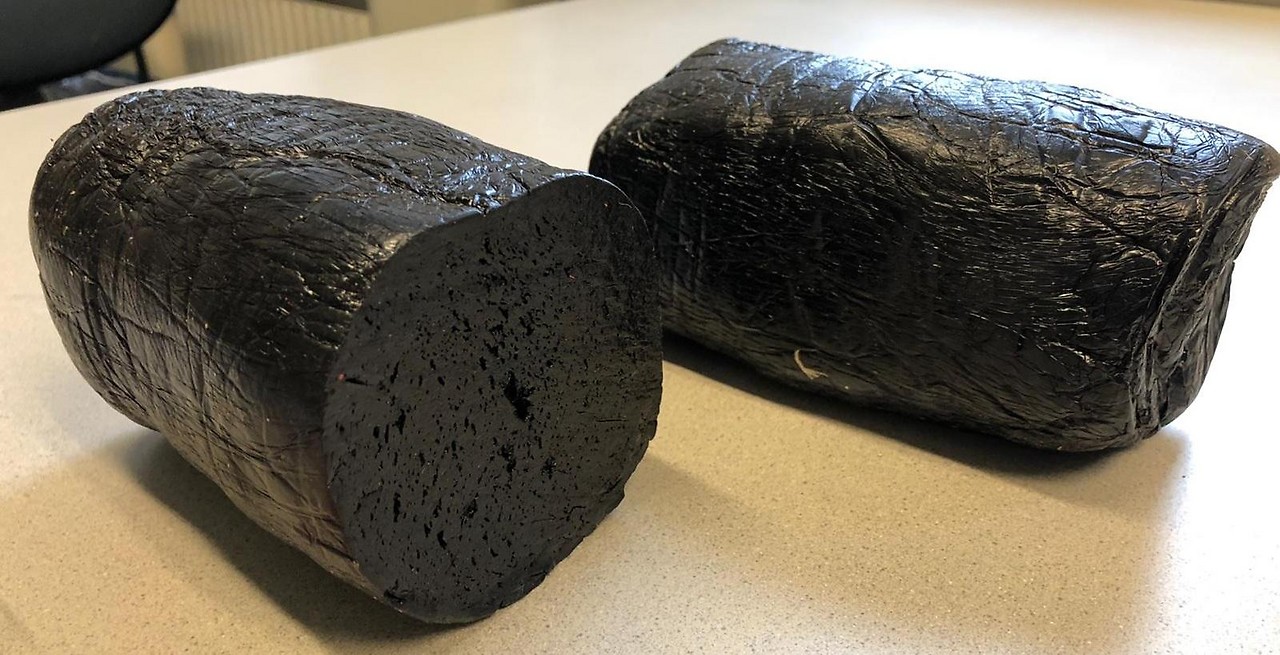
Afeem, known to scholars as opium, remains one of history’s most haunting paradoxes—a substance suspended between remedy and ruin, drifting like incense through the centuries. Drawn from the somnolent pods of Papaver somniferum, it carries within its milky sap both the whisper of relief and the shadow of dependence. Empires once praised it as a miracle tincture, while poets embraced it as a muse. Yet beneath its golden sheen lies a gravity that has pulled countless wanderers into its embrace and refusal.
From ancient Persia to the courts of India and the Arab world, Afeem was regarded as a healer’s gift, a balm capable of easing pain and quieting sleepless nights. Physicians treated it as a sacred extract, a bridge between suffering and serenity. Mystics, too, found metaphor in its effects, weaving verses that spoke of drifting worlds, softened sorrow, and visions shaped by half-dreamed light. However, where solace once blossomed, dependency eventually took root, winding itself silently through the human spirit.
As civilizations expanded, the influence of Afeem spread with them. Traders carried it across deserts and oceans, tucked inside carved chests and silk-lined pouches. It touched every class—from emperors seeking escape from courtly politics to laborers hoping to numb the ache of daily toil. The same substance that quieted pain also dulled willpower, leaving behind a trail of stories marked by longing and decline.
Literature preserved its imprint. Romantic poets dipped their pens into its metaphorical ink, crafting imagery heavy with haze and melancholy. Afeem became a doorway into altered imagination—a key to dreamscapes painted in both brilliance and despair. Yet behind each luminous vision stood a cost, a hollow that echoed once the veil lifted.
Today, science and law examine Afeem with caution and complexity. Its alkaloids—morphine, codeine, and others—serve vital roles in medicine, yet they demand strict control due to their potential for harm. What once traveled freely through markets now sits locked behind hospital cabinets, monitored with vigilance.
To speak of Afeem is to speak of humanity’s eternal struggle with suffering and escape. It remains a symbol, a mirror reflecting our desire for peace and our vulnerability to excess—a reminder that within every comfort lies a shadow, and within every shadow, a story.

Reviews
There are no reviews yet.